
Eyonic ai
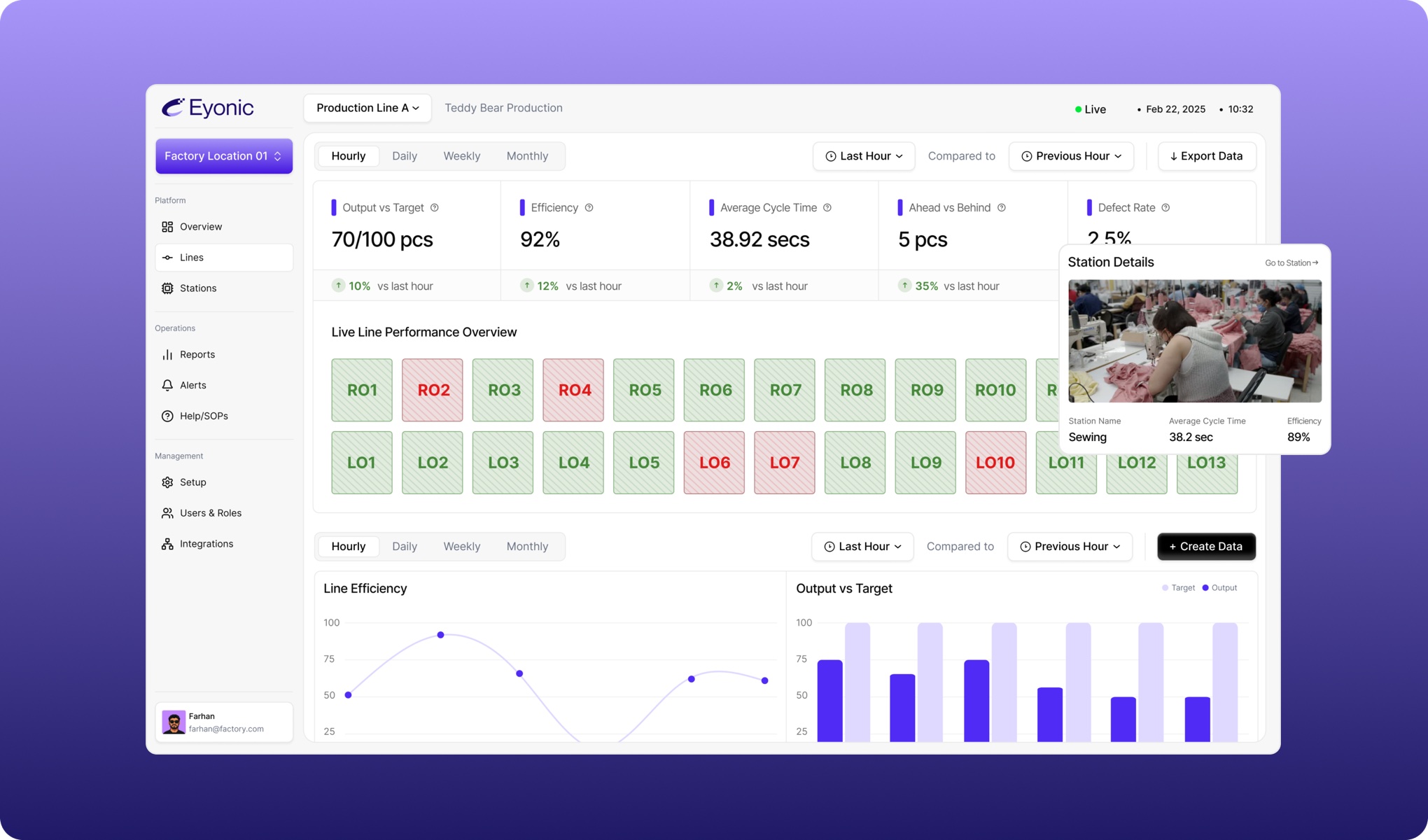
Eyonic is a computer vision MES system that turns factory floor camera footage into real-time production data: cycle times, defect counts, hourly targets.
My team developed a real-time MES dashboard that converts computer-vision footage from the factory floor into readable efficiency data, from factory-level down to individual stations.
The problem
The factory had no way to see their own efficiency in real time. If a line started falling behind, nobody knew until someone walked the floor to find out. By then hours of output were already lost.
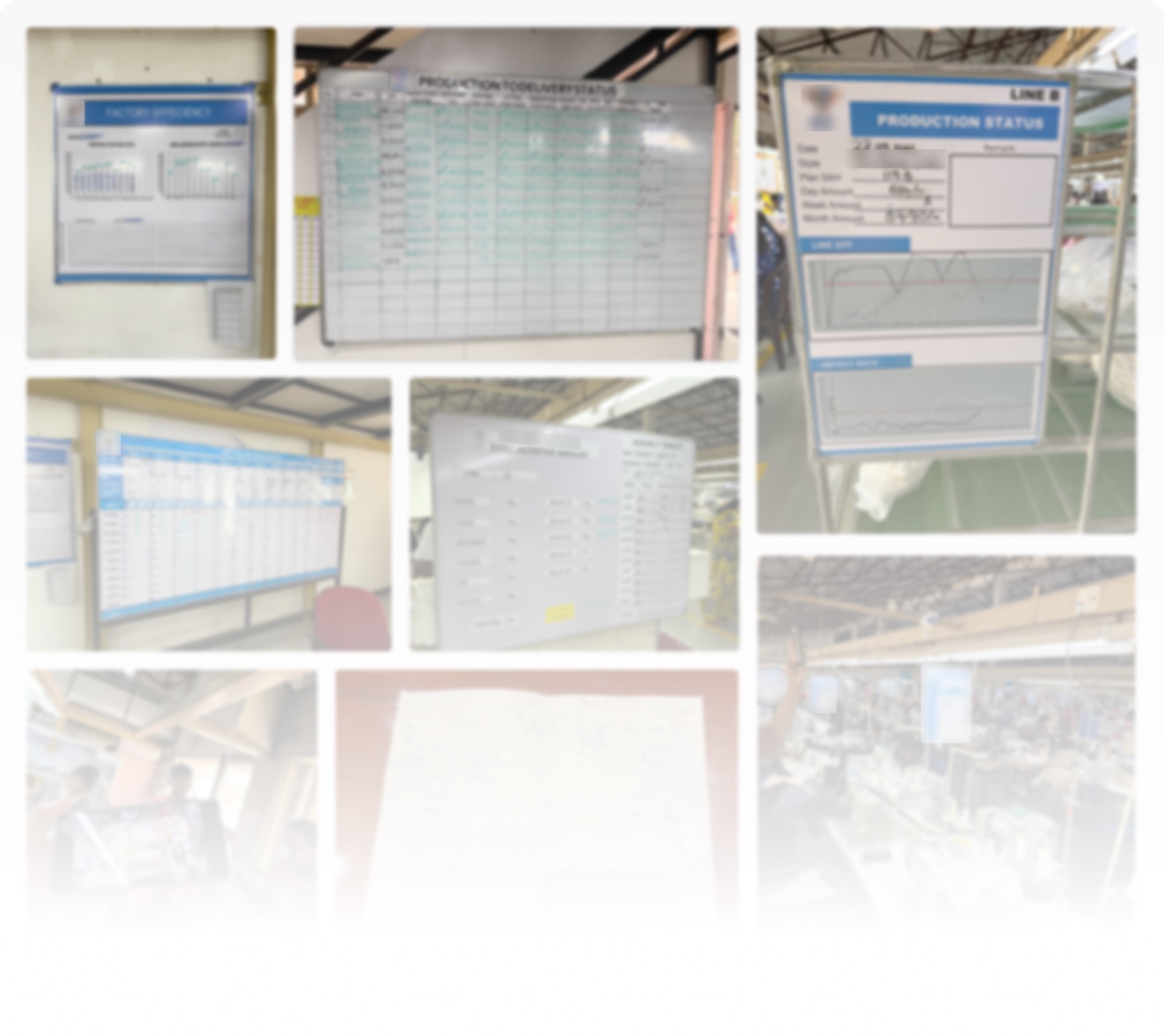
The factory already tracked this data. Downtime, efficiency, quality, targets. All of it written by hand on whiteboards. They wanted the same information, but live so problems could be caught in minutes instead of hours.
The business problem
Problems weren't identified when they happened. An issue could occur on the floor and go unnoticed. And even once someone did spot it, there was no automatic way to alert whoever needed to act. It relied on someone noticing, then manually finding the right person, with no way to see whether it was already being handled.
Two different asks. The factory wanted a tool built for their floor. The management wanted something that could eventually be sold to any factory. Both needed answering.
The goal
How might we help factory team detect, understand and respond to operational problems in real time, while designing a flexible system that can adapt to different factories and workflows?
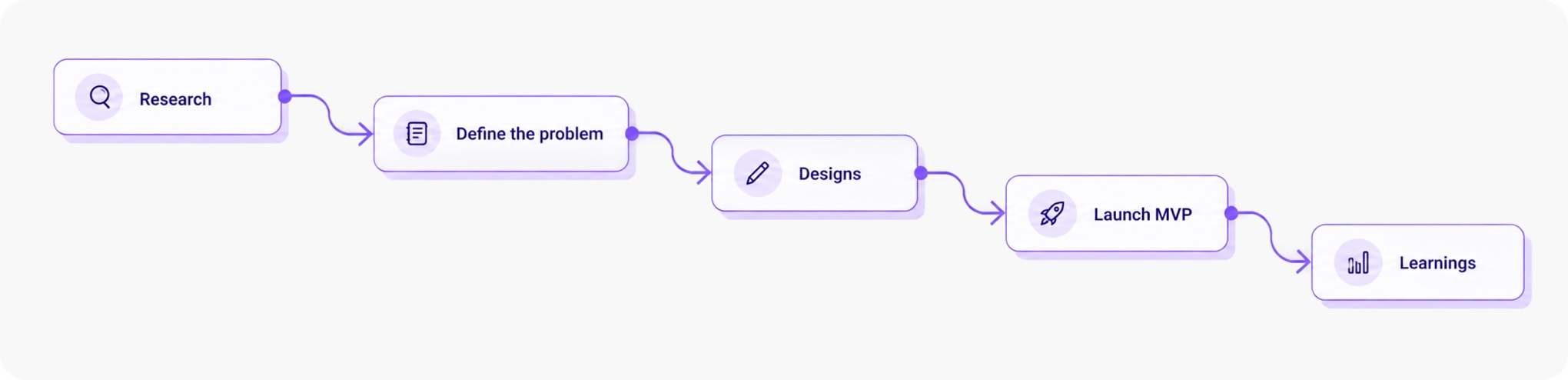
Process
Problems weren't identified when they happened. An issue could occur on the floor and go unnoticed. And even once someone did spot it, there was no automatic way to alert whoever needed to act. It relied on someone noticing, then manually finding the right person, with no way to see whether it was already being handled.
Two different asks. The factory wanted a tool built for their floor. The management wanted something that could eventually be sold to any factory. Both needed answering.
Research
This was a new industry, so research started before any interviews did. Terms like Yamazumi, SMV and Progressive Assembly Line had to be learned first so the questions asked in interviews would actually be useful instead of vague.

This is a preview of the full case study. Want the full case study?
Reach out to anugakarunatilaka.22@gmail.com the complete story